Love-Lab
The $5 Therapist: Is AI Finally Solving Therapy’s $300 Problem?
By Alexis · · Updated · 4 min read
Why 20-somethings now trust ChatGPT with their love lives, and what the rest of us should learn from them.
1. A $400-an-Hour Pain Point
Walk into any city practice and you’ll see the same equation: specialist relationship or attachment therapists now charge roughly £200 – £320 / $250 – $400 per 50-minute sessionand that’s before intake paperwork or assessments. For instance, Modern Intimacy lists $200 – $450 per couples session, while LA-based Align Therapy Group posts $250 for individual work and $375 for couples.
Multiply that by weekly appointments over a typical year-long treatment arc (40-50 sessions is common for deeper attachment work) and the annual bill sails past $12 000. Many providers acknowledge that “some couples might continue therapy for a year or more when issues are complex.” respark.co
Why Millions Already Prefer the $5 Bot
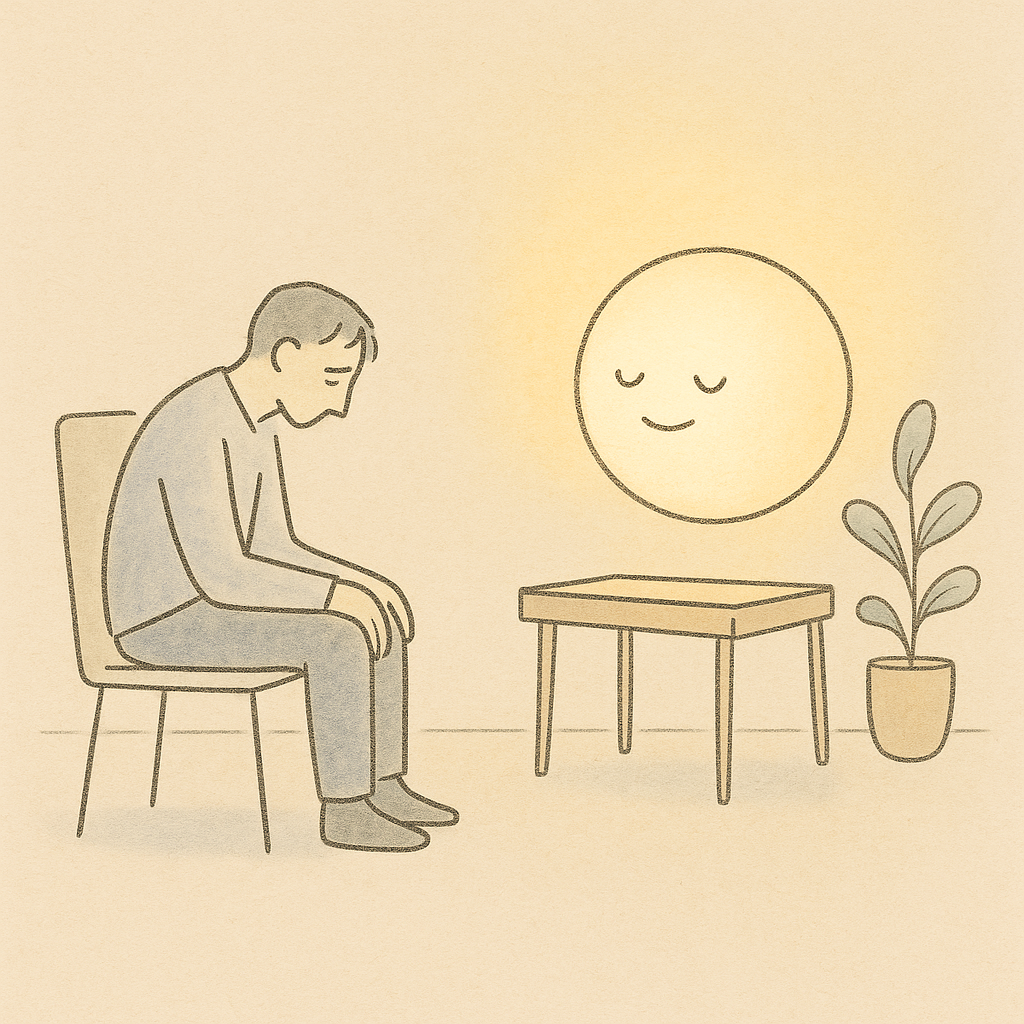
Judgment-Free, 24/7
At 2 a.m., ChatGPT never sighs, glances at the clock, or bills overtime. Couples are literally copy-pasting WhatsApp fights into GPT for real-time “refereeing.” One New York pair told the NY Post the bot “saved our relationship” by reframing blame-laden language into needs statements nypost.com.
Surprising Empathy (on Paper)
In a preregistered vignette study, participants often struggled to distinguish AI-generated responses from therapist-written ones, and the AI responses scored highly on several common therapy principles PLOS Mental Health. Another advantage is continuity within a conversation: the model can use earlier context in the chat, although context limits still exist and it can miss or lose details.
Pattern Recognition at Scale
Upload months of voice notes or text chains and GPT will spit out a heat-map of “I-statements,” apology ratios, or passive-aggressive emojis, tasks a human assistant would charge hours to complete.
Democratised Access
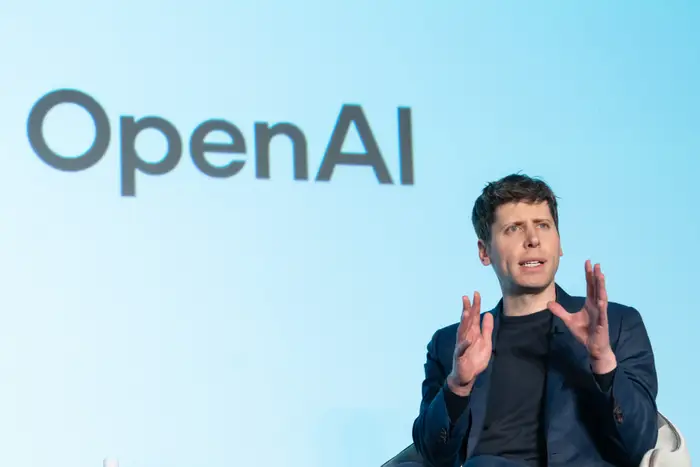
OpenAI CEO Sam Altman jokes that students use ChatGPT “like a life advisor” because it’s the only coach they can afford on a Tuesday night fortune.com. For populations priced out of therapy or languishing on NHS wait-lists, AI feels like a lifeline, not a gimmick.
The Therapist Backlash, and Why It’s Half Right
Clinical twitter exploded after the Forbes headline. Psychologists warn that algorithmic warmth ≠ real empathy. And they have receipts.
The Empathy Gap in Crisis
Researchers have documented serious safety failures in therapy chatbots, including responses that mishandled suicidal or delusional prompts Stanford HAI. Stanford researchers recently showed chatbots “validated delusional beliefs” and failed to flag suicidal ideation in mock sessions sfgate.com.
Cognitive Off-Ramping
The viral MIT study that sounds like a Black Mirror episode: students who wrote essays with ChatGPT showed lower brain-activation in memory and creativity regions than peers who Googled or free-wrote nypost.com. Over-reliance may create a habit of outsourcing some cognitive work, although the study cited here was about essay writing rather than therapy or emotional support.
3.3 Addiction & Artificial Intimacy
When Replika rolled back erotic role-play, thousands of users mourned “digital break-ups” and reported withdrawal-like loneliness washingtonpost.com. If a software patch can shatter your heart, the relationship probably wasn’t resilience-building.
Is the $5 Therapist Dangerous or Disruptive?
Here’s the paradox: AI is often better than a rushed clinician at surface-level empathy, yet worse at spotting red-flag nuance. The cheapness doesn’t automatically make it safe, but cost alone doesn’t make human therapy effective either. Therapy dropout is real, but a large meta-analysis across 669 studies and 83,834 clients estimated premature discontinuation at about 19.7%3.
The Hybrid Model: Cheap Brains, Premium Heart
Think of AI as the MRI scanner of emotional life. It shows patterns a naked eye can’t. But you still need a surgeon for the operation. Enter a new wave of high-ticket coaching programmes that:
- Use GPT to surface habits within minutesdaily mood logs, language sentiment, intimacy scores.
- Deploy human expertise for transformationgoal setting, accountability, somatic regulation, trauma-informed boundaries.
- Compress the timeline. Instead of 12 weeks of 50-minute analysis, clients sprint through a focused 6-week protocol with asynchronous AI check-ins.
For clients, that means paying once for a premium cohort (yes, four figures) rather than an open-ended $200-per-week loop. For professionals, it means reserving scarce human time for the 20 % of work that drives 80 % of breakthroughs.
A 40-Year-Old Therapist's Playbook for the AI Era
As someone straddling Gen Z’s digital fluency and Gen X’s scepticism, here’s my rule of thumb:
| Situation | Reach for AI first? | Bring in a human? |
|---|---|---|
| Routine reflection (journals, argument rewrites) | ✅ Yes – pattern-spotting & drafts | – |
| Acute conflict (“Should we break up?”) | ✅ Quick clarity check | ✅ Book coaching / therapy |
| Trauma or Suicidality | – | 🚨 Human professional only |
| Skill-building (secure attachment, communication drills) | ✅ AI for micro-homework | ✅ Coach for live feedback |
Conclusion: The Best Help Is the Help You’ll Use
AI is the $5 therapistremarkably smart for chump change. Therapy is the $300therapistpriceless when it works, but unaffordable for many and unavailable at 2 a.m. Coaching is the bridgehuman insight fast-tracked by AI tools. The question isn’t “Which one is better?” but “Which blend keeps you moving?”
If you’re curious how a tailored mix could look for your relationship:
➡️ Explore the Diagnostic (60minutes, one-on-one, with a humanbeing aka myself!)
Footnotes
- Healthline. “How Much Does Therapy Cost?” Jan 2024. healthline.com ↩
- Fortune. “Gen Z Uses ChatGPT Like a Life Adviser,” 13 May 2025. fortune.com ↩
- Swift & Greenberg (2012). “Premature discontinuation in adult psychotherapy: a meta-analysis.” PubMed ↩